Learning Tools & Activities for ELL, ESL and EFL Students
As classrooms grow more diverse, many teachers are welcoming students who are learning English as an additional language. Alternatively, you may find yourself teaching English as a second or foreign language to students all over the world. These students, known as English Language Learners (ELLs), bring rich linguistic and cultural backgrounds—but also unique learning needs. Understanding ELL and supporting ELL students with effective learning tools and activities will foster their education.
–
Creating an ELL-Friendly Learning Environment
For ELL students—especially in early education—hands-on, visual, and interactive materials are critical. They help bridge language gaps, encourage participation, and reinforce foundational literacy skills. Below are a few classroom tools that can support language development in meaningful, age-appropriate ways.
–
🔸 Speech Bubbles
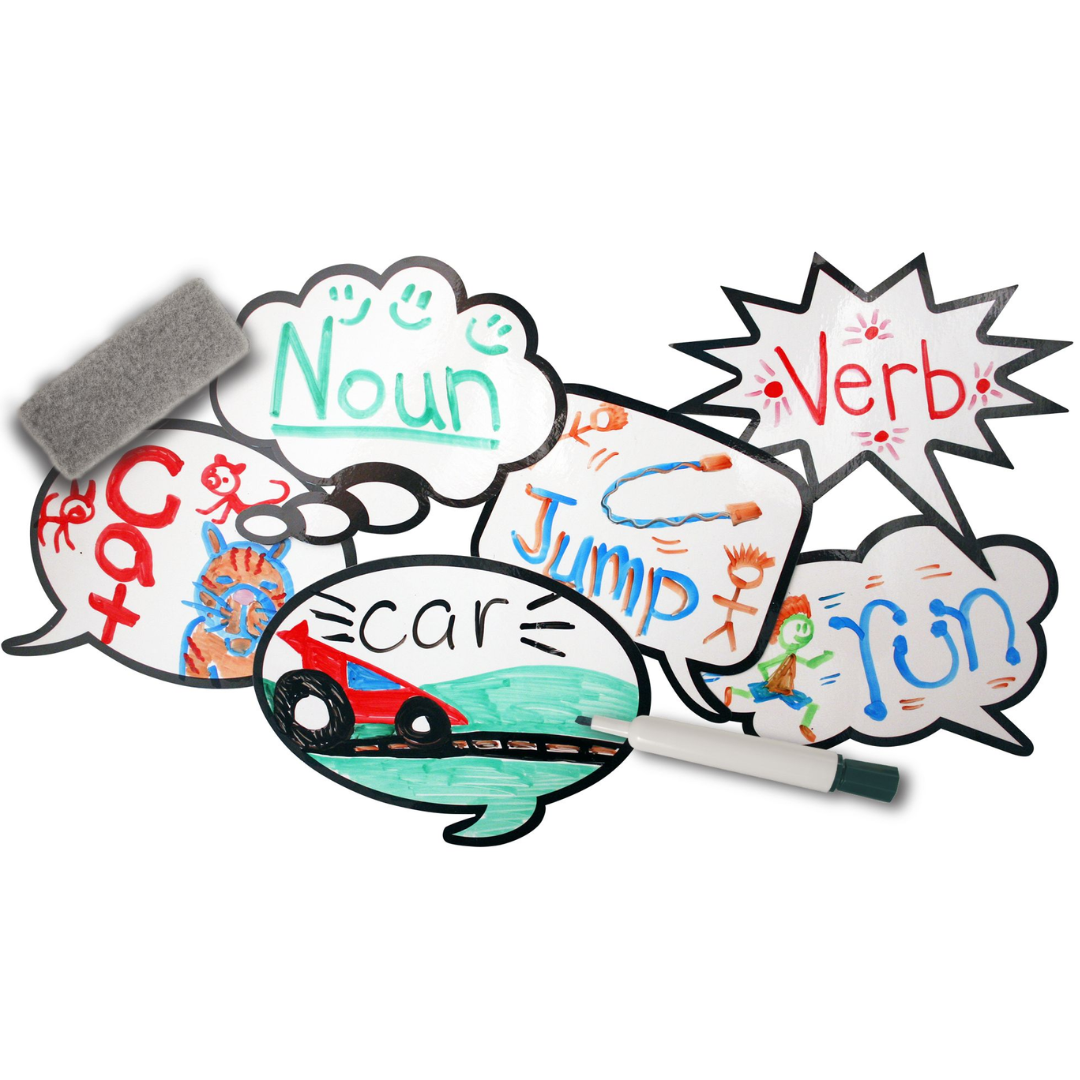
Visual prompts can encourage spoken and written communication. These dry-erase speech bubbles can be used for classroom conversations, sentence building, labeling, or practicing punctuation. They’re especially helpful in group activities and role-playing exercises, supporting both language use and comprehension.
–
🔸 Highlight Strips
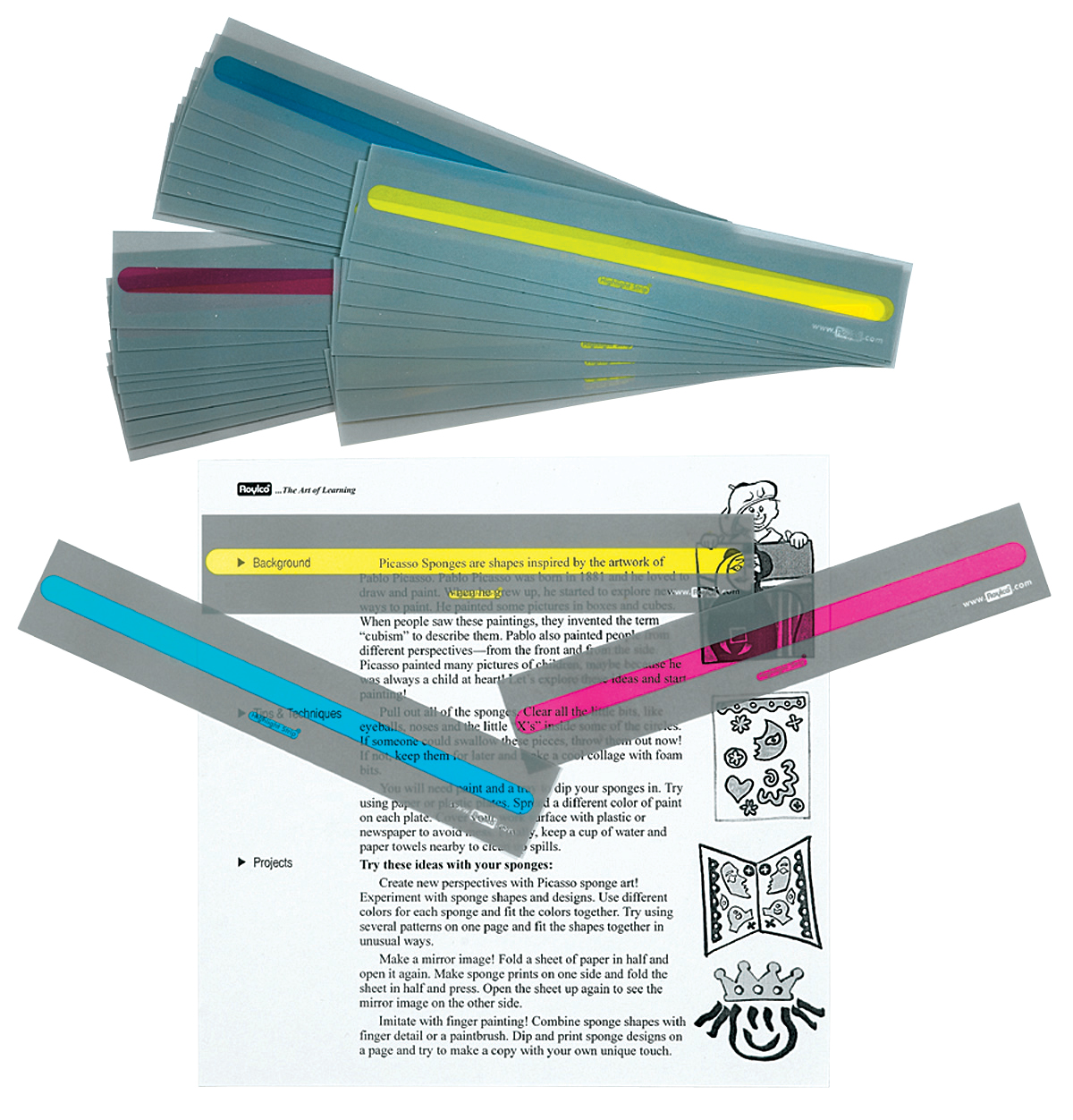
Reading can be overwhelming for new English speakers. Highlight strips help students follow text from left to right and focus on specific words or lines, reducing visual overload. They’re a great tool for guided reading sessions and help build reading fluency, especially when paired with tools like light tables or cubes for extra engagement.
–
🔸 Follow-Along Letters
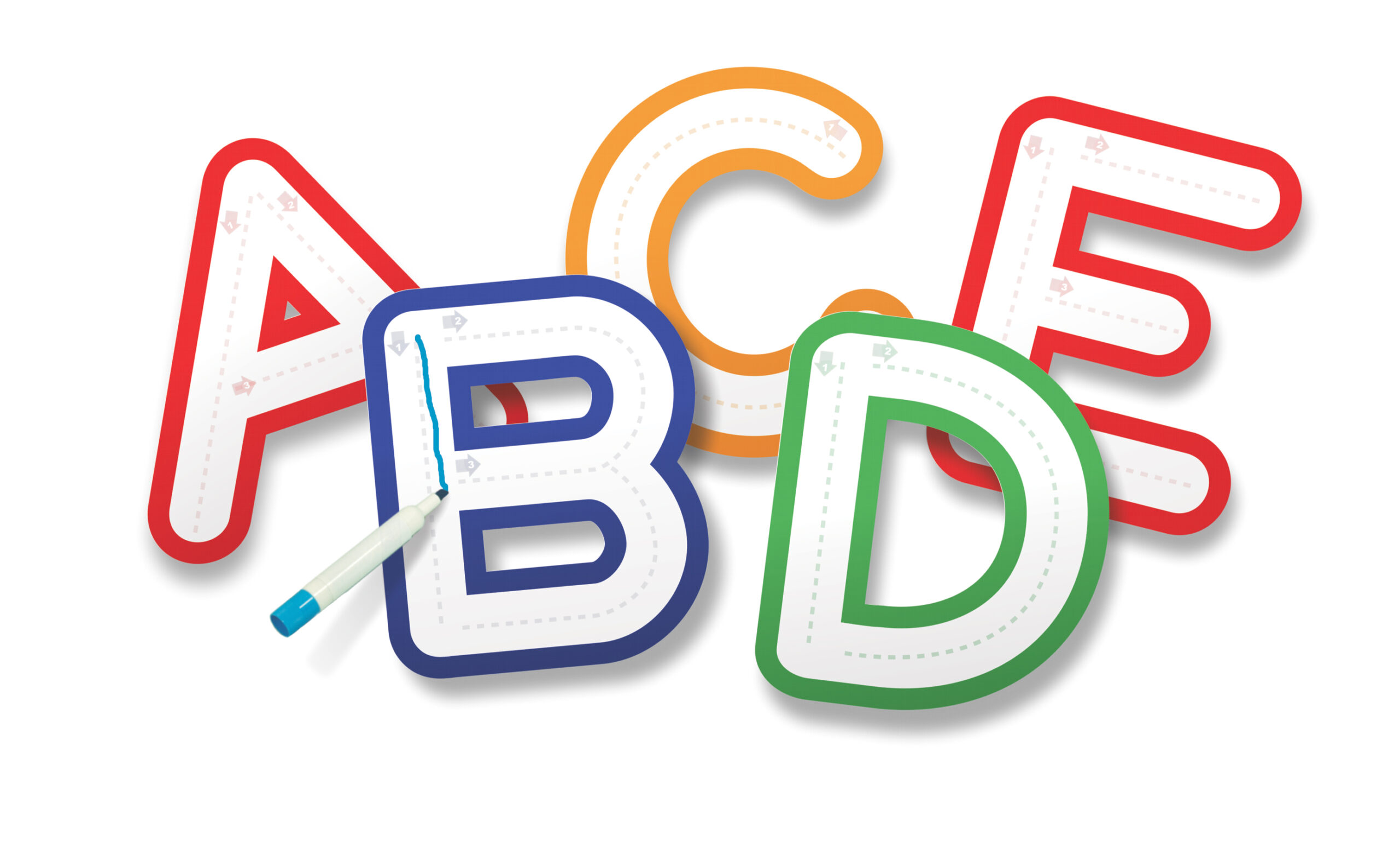
Alphabet knowledge is a key foundation for reading and writing. These large write-and-wipe letters provide visual structure and directional cues, helping students learn letter shapes and proper writing strokes. They also encourage repetition and muscle memory, supporting both literacy and fine motor development.
–
🔸 Manuscript Letter Beads
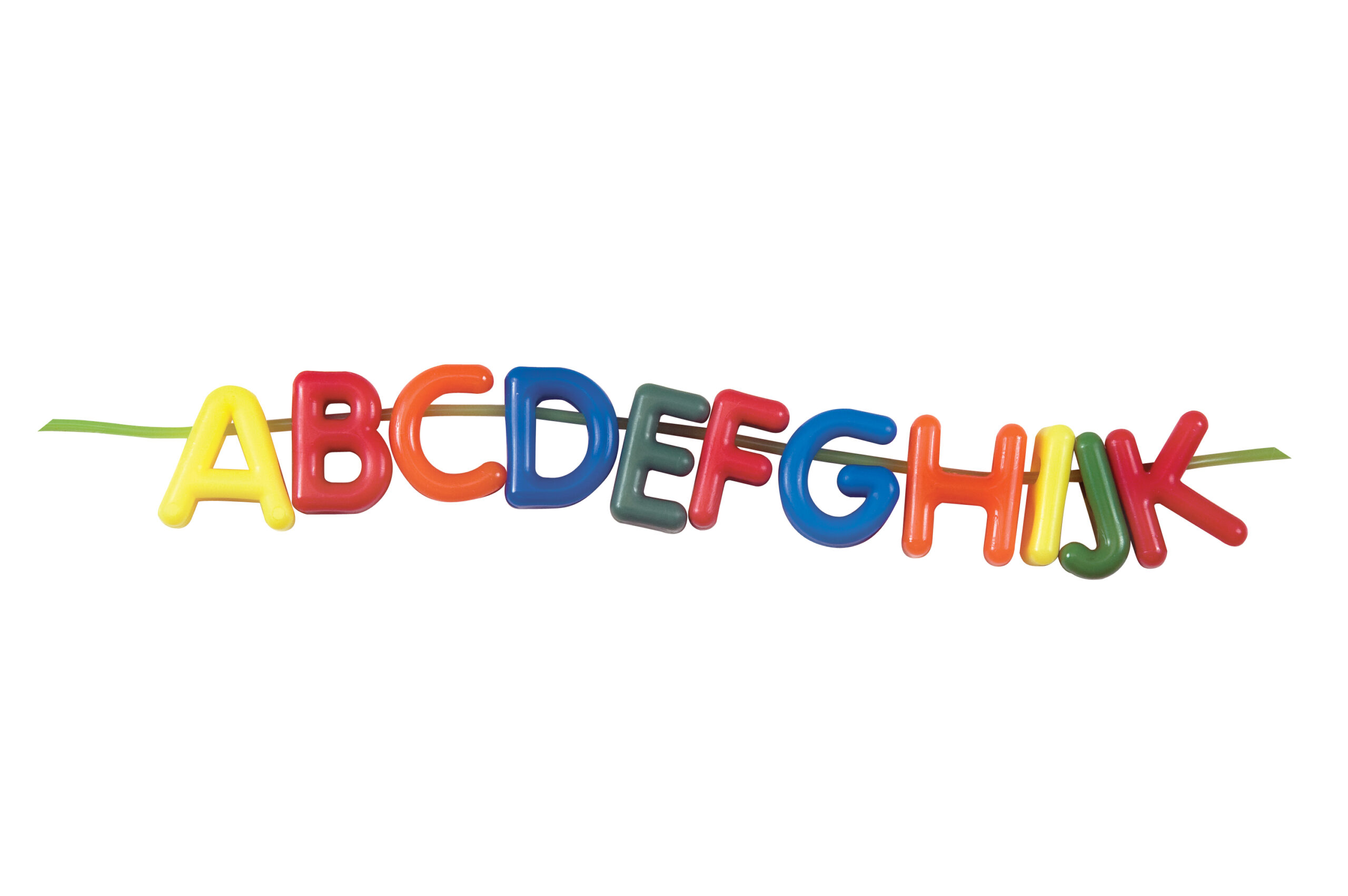
Learning letters doesn’t have to be confined to paper. Letter beads are a tactile and creative way for students to practice identifying, sorting, and spelling letters. They’re especially effective for kinesthetic learners and can be incorporated into small-group literacy centers or individual language practice.
–
Small Changes, Big Impact
ELL instruction doesn’t always require a complete curriculum overhaul. Often, adding simple, purposeful tools that reinforce language in multiple ways—visually, auditorily, and kinesthetically—can make a big difference. Supporting language development through engaging activities helps build confidence, fluency, and classroom connection for ELL students.
–
Looking Ahead
As the number of English Language Learners continues to grow, equipping classrooms with flexible, inclusive tools is more important than ever. By understanding the principles of ELL and incorporating targeted support strategies, educators can create spaces where every student has the opportunity to thrive.
Shop all Roylco literacy products and more!
–
Bonus: Understanding ELL and Title III
English Language Learners (ELLs) are students whose first language is not English and who are working toward English proficiency. They may also be referred to as ESL (English as a Second Language) and EFL (English as a Foreign Language) students. They may be newcomers to the country or students who’ve grown up in bilingual homes. Across the United States, public schools support ELL students through specialized instruction that focuses on four core areas:
-
Reading
-
Writing
-
Speaking
-
Listening
For parents and educators looking for more information about ELL, please view our basic overview free resource guide here.
Title III, a part of the US federal Elementary and Secondary Education Act (ESEA), provides funding for schools to help ELL students succeed academically while acquiring English language skills. These funds often go toward professional development, instructional materials, and programs designed specifically for multilingual learners.