
Therapy Pets in Classrooms: 4 Practical Ways to Use Weighted Stuffed Animals in a School Setting
Imagine a student arriving Monday morning already drained. The weekend was filled with screen time, and shifting back into a structured school day feels like a lot. Instead of adding another task or tool to your plate, you offer something simple - no prep, no extra cost, a soft weighted stuffed animal that fits comfortably in a child's lap and provides quiet support.
Weighted stuffed animals are becoming more common in classrooms - and for good reason. Today's students are navigating higher levels of stress, and educators are seeking easy, sensory-friendly strategies that support all learners. These aren't just plush toys, they're purposeful tools when used thoughtfully.
Here are four practical ways to incorporate a weighted stuffed animal into your classroom routine.


4 Practical Ways To Bring Therapy Animals Into Your Classroom Routine
Highlight The Tools: Theo & Chloe
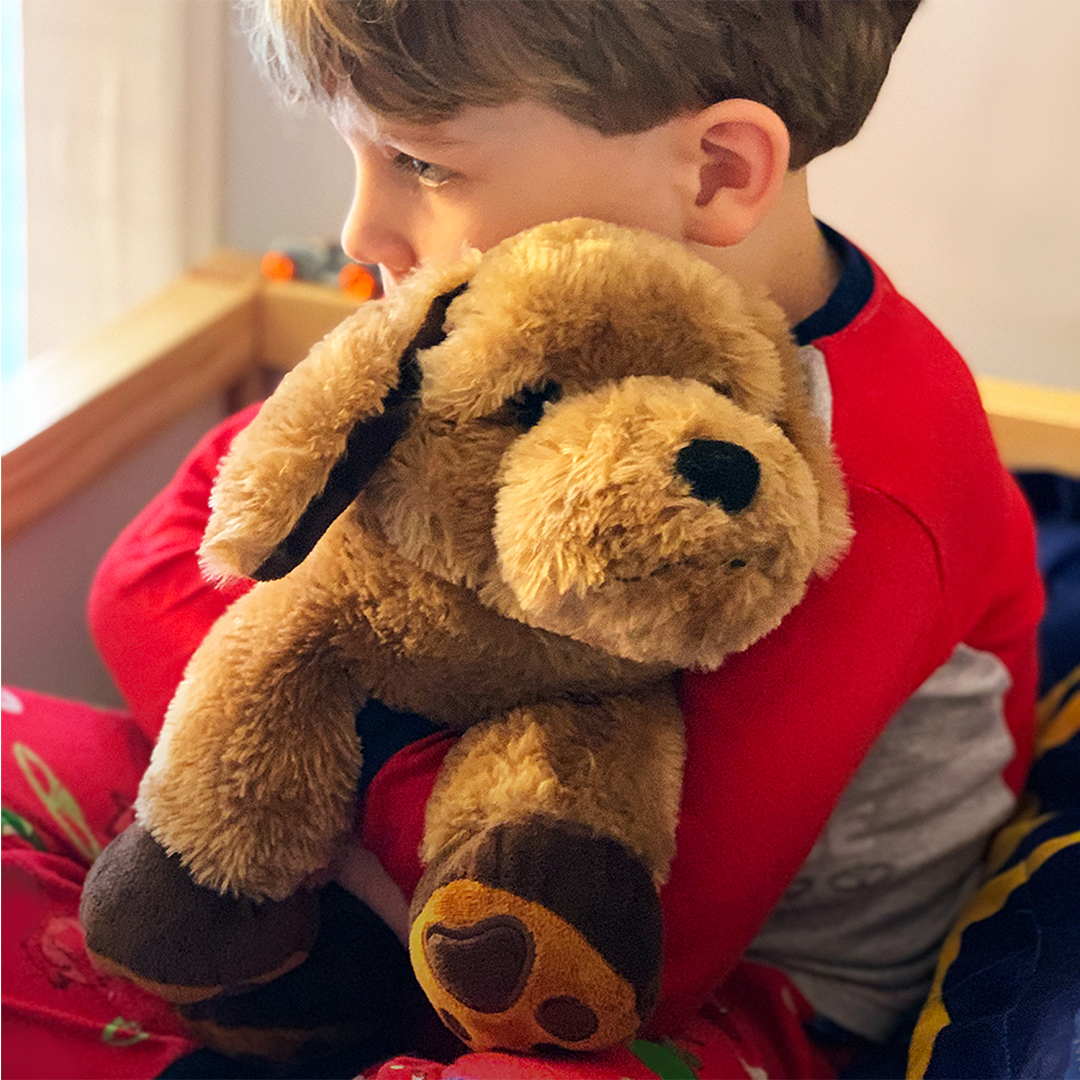
Options like Theo the Therapy Dog and Chloe the Comfort Cat are designed for classroom use. Both include:
- A removable hot/cold pack for added sensory comfort
- Soft fur with varied textures (paws, feet, facial details) for tactile exploration
- A classroom-friendly weight that supports calm without restricting movement
1. Anchor Your Calm-Down Corner
A weighted stuffed animal gives your calm-down space a clear purpose. The gentle pressure (about 2.5 lbs) helps signal safety to the nervous system, much like a weighted blanket. Students can hold, squeeze, or rest it on their lap while they reset.Tip: Introduce it as a class tool—name it, assign its “job,” and set clear guidelines for use.
2. Weave Into Everyday SEL Moments
You don’t need a separate block for social-emotional learning. A therapy animal creates a low-pressure way to talk about feelings. Younger students often open up more easily when they can project emotions onto the animal instead of themselves.
3. Support Focus During Work Time
For students who need sensory input, a weighted animal offers calming, hands-on support without becoming a distraction. It’s especially helpful for learners with ADHD or anxiety, providing quiet, steady input that helps sustain attention.
4. Enhance Read-Aloud & Storytime
Give students something to hold during read-alouds to help with focus and comfort. You can even incorporate the animal into the activity—students can “read” to it, building confidence and engagement, especially for hesitant readers.
A Simple Tool for Complex Times
Kids are navigating more screen time, more transitions, and more stress than ever. Stuffed weighted therapy animals won't solve every challenge - but they give students something real to hold when feelings get big.
Explore Theo the Therapy Dog and Chloe the Comfort Cat - both independently safety-tested and built for real classroom use.
FAQ Section
They can support many learners, but they aren't a one size fits all solution. It's best to offer them as an optional tool based on individual needs and preferences.
