The Power of Smell: How the Olfactory System Supports Learning & Memory
When we think about how we experience and learn about the world around us, sight and sound often take center stage. But there is another sense that is quietly shaping the way we remember, learn, and connect with experiences: our sense of smell.
The Olfactory System is responsible for our sense of smell, but its influence goes far beyond just identifying whether something smells good or bad. Smell has a unique relationship with the brain and can play an important role in memory, emotion, sensory processing, and everyday experiences.
What is the Olfactory System?
The Olfactory System processes scents and sends information directly to areas of the brain connected to memory and emotion. This close relationship helps explain why smells can instantly trigger vivid memories - like a childhood meal, a familiar place, or a comforting seasonal scent.
Because of this strong connection, smell becomes more than just a sensory input - it becomes a powerful learning and recall tool. In educational settings, this opens the door to richer, more meaningful sensory experiences that go beyond sight and sound.
Why Smell Matters in Sensory Learning
Children learn best through exploration, using all their senses to understand the world around them. Smell adds an often-overlooked layer to this process. Encouraging curiosity, observation, and communication. Scent-based activities invite learners to slow down and describe what they notice. Instead of simply identifying a smell, children can compare scents, connect them to real-life experiences, and build vocabulary to express their observations. This supports sensory awareness, language development, memory, and engagement in a natural and interactive way.
Smell, Memory, and Meaningful Connections
Smell has a unique ability to connect us to moments, people, and places. A single scent can instantly transport you back into a memory, making learning experiences more personal and emotionally engaging. For children, this means scent-based activities are a powerful tool. A familiar scent can spark a conversation, inspire writing, or support memory-based games. This type of learning reinforces the idea that using all of your senses can be more beneficial than you may think.
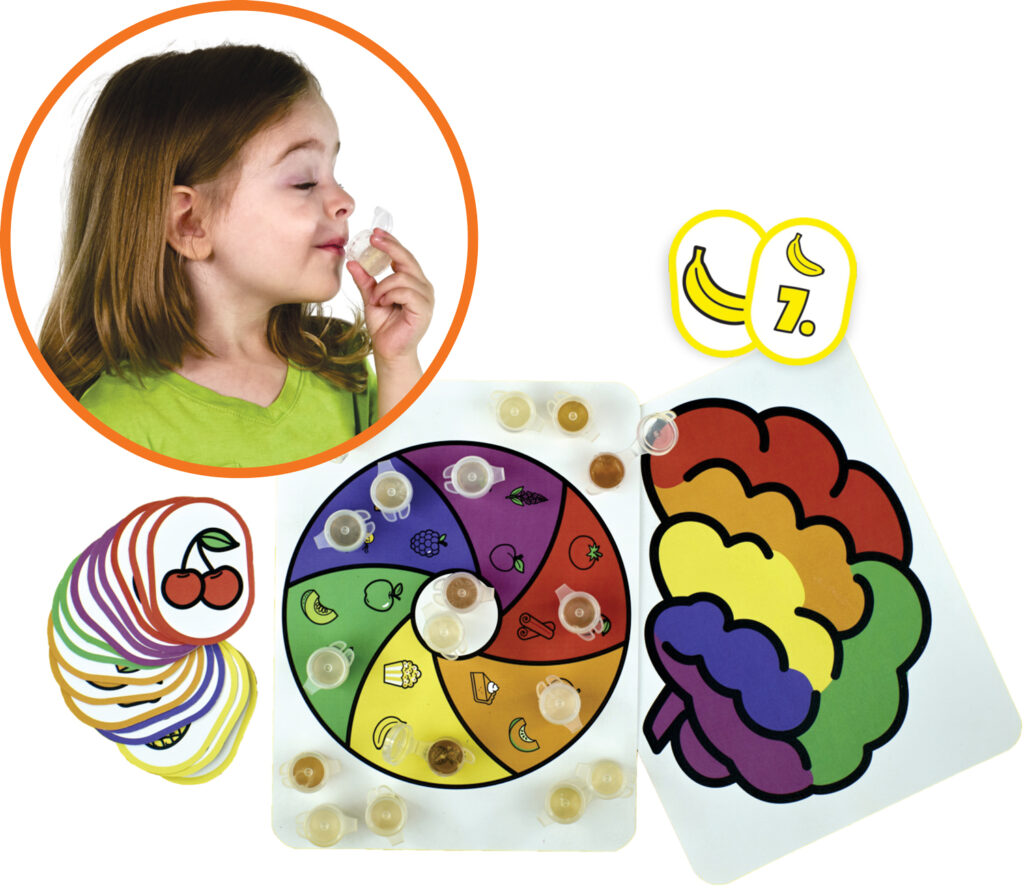
Roylco's Rainbow Scents Exploration Kit introduces a unique multisensory approach by combining both color and scent. Children are invited to actively compare visual cues with different aromas, strengthening observation skills as they work to match what they SEE with what they SMELL. This hands-on experience encourages learners to make thoughtful connections between color associations and scent recognition. Deepening their sensory awareness while keeping exploration playful and engaging.
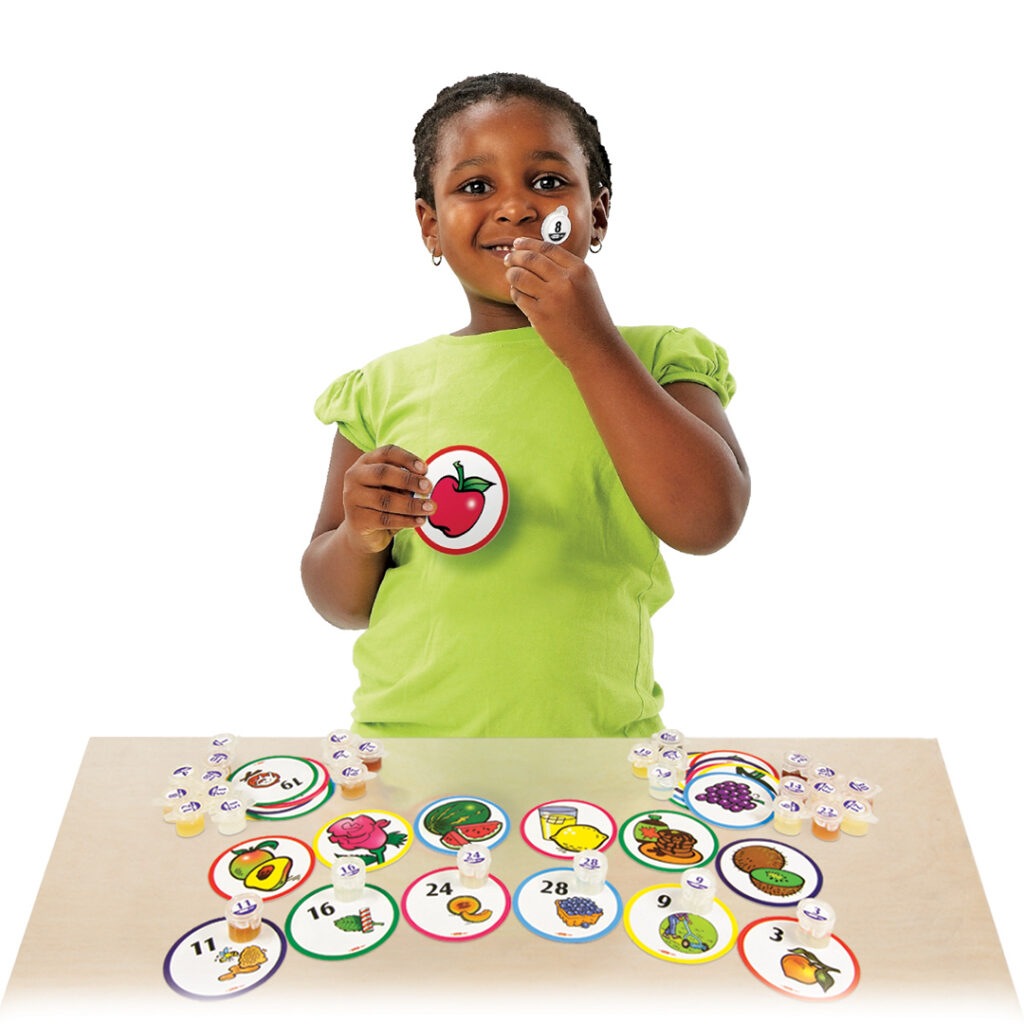
Roylco's Scents Sort Match-Up Kit brings scent-exploration into a guided, game-based experience. With 30 different scents and corresponding picture cards, children are encouraged to smell, identify, and pair each scent with its visual match. Rather than being tol what a scent is, learners actively investigate it. Asking questions like: What does this remind me of? Have I smelled this before? How would I describe it? The kit also includes multiple game formats, making it adaptable for different ages, group sizes, and learning goals.
Together, these scent-based activities transform smell into an engaging, structured learning experience while supporting sensory awareness, communication, curiosity, and meaningful connections.

Looking Beyond Sight and Sound
Our sense of smell may not be the first thing we think about when it comes to learning. But, it plays a vital role in how we experience and remember the world. The Olfactory System connects sensory exploration, memory, emotion, and learning in a way few other senses can. By incorporating smell into hands-on activities, educators, caregivers, and families can create a richer, more meaningful learning experience.
At Roylco, we believe the most powerful learning happens through exploration. The Scents Sort Match-Up Kit is one way to bring that belief to life. Transforming something as simple as a scent into an opportunity to discover, communicate, and connect. Because something, the sense we overlook are the ones that make the biggest impact.

FAQ's
Most scent activities are appropriate starting around age 3. Once a child is past the stage of putting small objects in their mount. Simple smell-and-guess games are a great entry point before moving into more structured matching or descriptive activities.
