Preschool Lesson Plans That Combine Movement and Literacy
Preschoolers were never meant to sit still for long periods of time, and any early childhood educator knows it. Wiggles, bouncing, spinning, and constant movement are part of how young children explore the world around them.
So when teachers search for preschool lesson plans or alphabet activites, the real goal is often the same:
How can we teach letters in a way that actually sticks?
The answer is simple... combine literacy with movement!
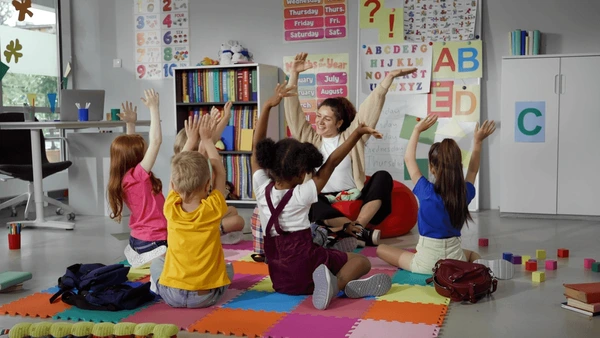
How to Structure a Movement-Based Preschool Letter Lesson Plan🏃♂️
Step 1: Introduce the Letter
- Show uppercase and lowercase forms
- Practice the letter name
- Practice the letter sound
- Identify words that begin with that letter
Step 2: Connect the Letter to a Body Movement
Using the Twist and Spell Exercise Cards, Students:
- See the letter
- Form the letter shape with their bodies
- Say the letter sound while holding the pose
Step 3: Reinforce Through Purposeful Movement Practice
- Call out the letter sound and have students perform the pose
- Transition between 2-3 letters and switch movements quickly
- Ask students to name a word beginning with the letter while holding the shape
Repetition + Movement = Stronger memory retention!
Preschool Lesson Planning
Made Easy!
Planning movement-based alphabet lessons every week can be time consuming. That's why ready-to-use resources matter!
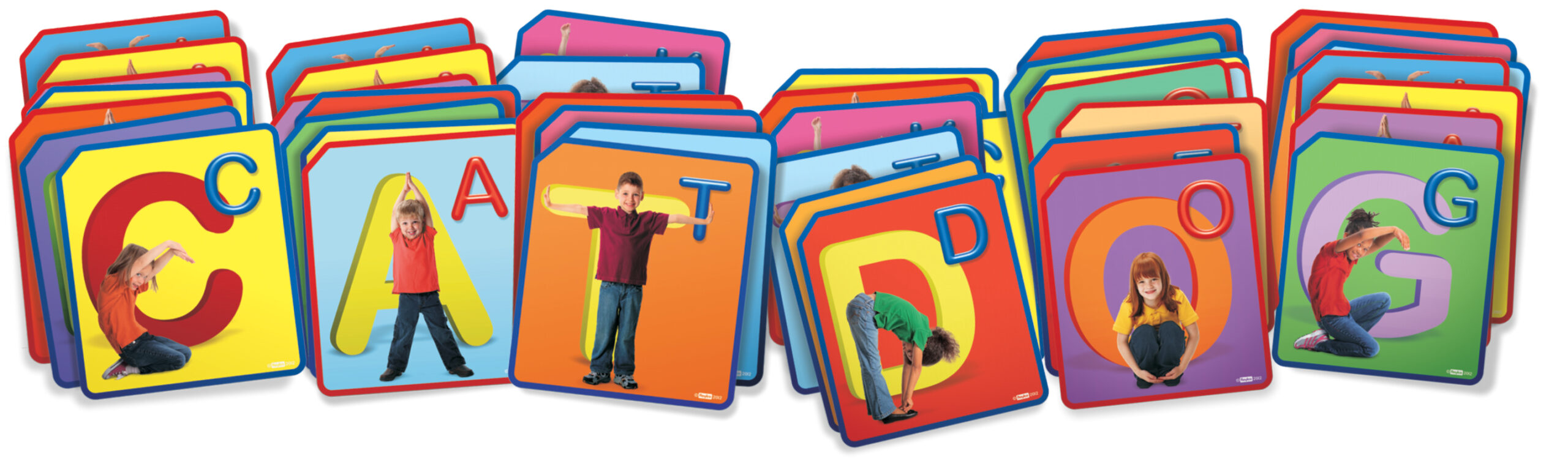
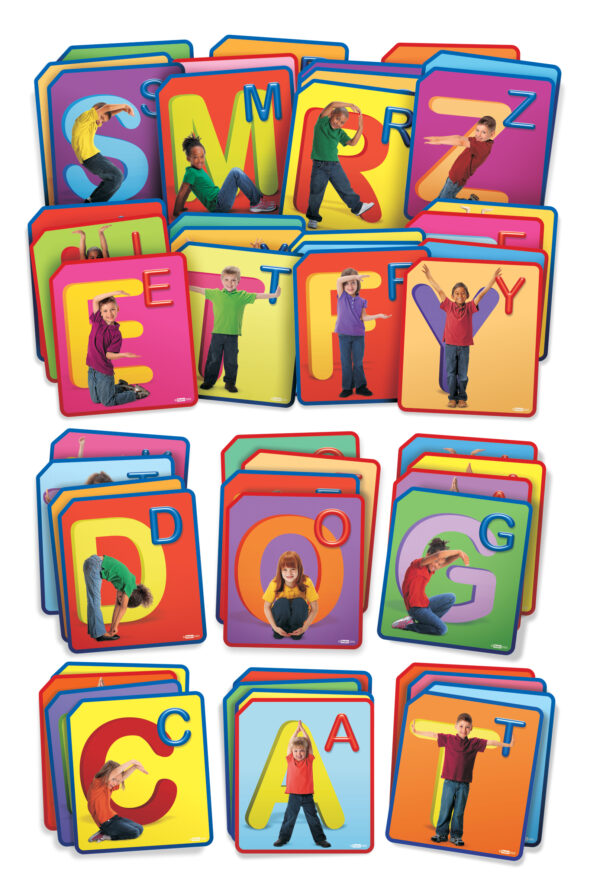
Twist & Spell Exercise Cards help teachers combine literacy and physical activity in one simple tool:
- By reinforcing letter recognition through visual prompts
- Connecting the letter to a body movement
- Supports gross motor development
- Easy to use!
- Blends literacy instruction and movement seamlessly
With one ready-to-use set, teachers can teach letters and keep preschoolers moving. All within the same lesson!
Preschoolers don't need less movement... they need movement with meaning!
When children move while learning letters, literacy becomes something they experience, not just something they memorize.🧠
And that's when learning truly sticks!
FAQ's
They're designed with preschoolers in mind, making them ideal for early childhood classrooms, but they work well for any young learner.
