The Layered Lab: Reimagining Dissection for the Modern Classroom
Why the "FrogXplore: See-Through Anatomy Guide" Is the Best Frog Dissection Alternative for Learning
For generations, traditional frog dissections have been used in science classrooms to demonstrate anatomy. But many teachers, parents, and homeschool educators now want a more accessible, ethical, and engaging way to teach the inner workings of amphibians, especially for younger learners.
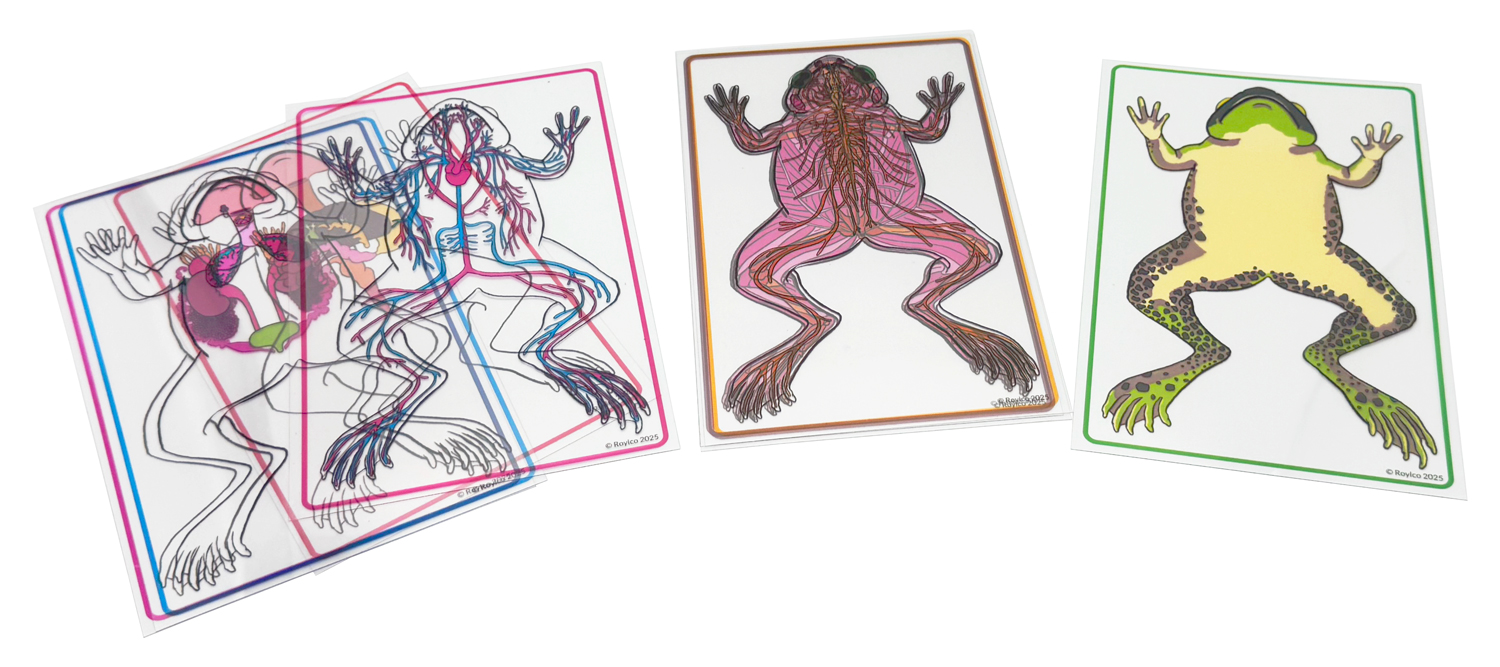
This innovative kit lets students explore frog anatomy layer by layer with transparent anatomy sheets. No scalpel, no preservatives, no mess!
What Students Learn With FrogXplore:
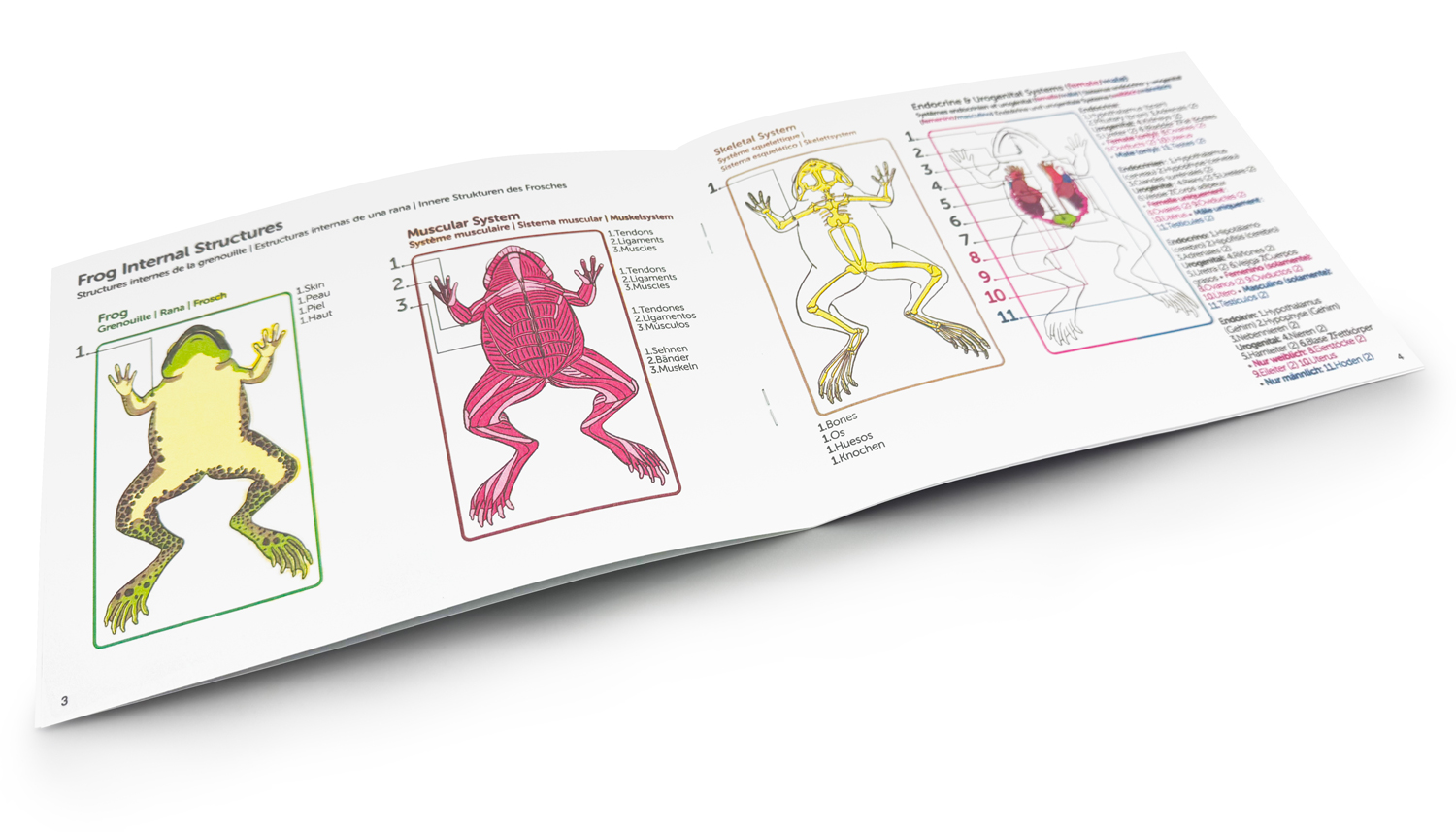
This see-through anatomy guide highlights 8 major biological systems, helping learners visualize how bodies work, a key science education standard.
-
Skin & External Structure: The frog's camouflage and respiration
-
Muscular System: How frogs jump and move
-
Skeletal System: Bone structure and support
-
Digestive System: How food moves and nutrients are absorbed
-
Circulatory System: Heart and blood flow
-
Respiratory System: Lungs and skin breathing methods
-
Nervous System: Brain and sensory control
-
Endocrine & Urogenital Systems: Hormones and reproduction
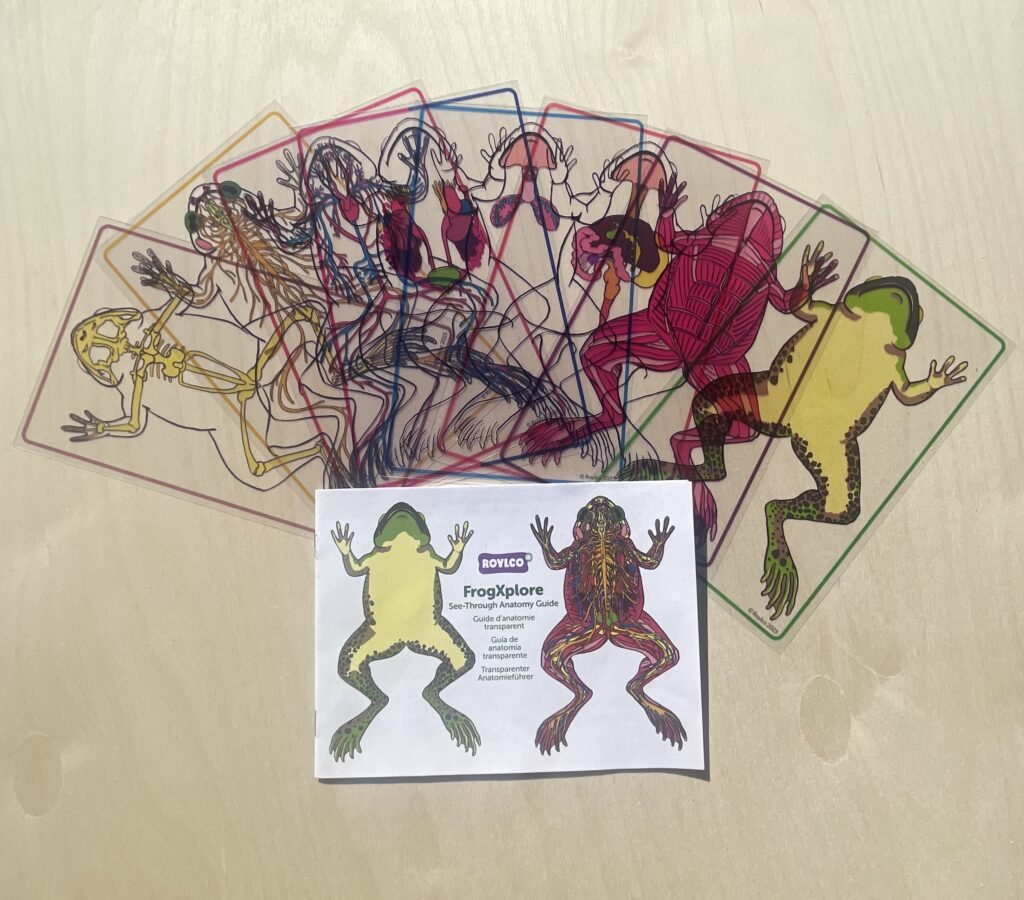
Because the sheets are transparent, learners can stack them to build a complete picture of the frog's anatomy!

How to Use FrogXplore in the Classroom
The FrogXplore kit makes teaching frog anatomy simple, structured, and engaging.
1. Start with the Basics: Introduce amphibians, the frog life cycle, and their role in ecosystems to build context before exploring anatomy.
2. Explore One System at a Time: Lay down the skeletal layer first, then add each transparent sheet individually. Discuss the function of each system and how it helps the frog survive.
3. Stack & Connect: Layer the sheets together so students can see how the systems align and work as a whole. Ask questions about how systems depend on one another.
4. Reinforce Learning: Have students label diagrams, compare frog anatomy to humans, or rebuild the layers independently to check understanding.
This step-by-step approach encourages systems thinking, active participation, and a deeper comprehension.

Who It's Perfect For:
The FrogXplore guide fits easily into multiple learning environments.
✔️Elementary science units
✔️Middle school life science
✔️STEM labs
✔️Homeschool
✔️After-school clubs
Teachers and parents alike love it because it's accessible, inclusive, and age-adaptable without sacrificing educational depth.
Fun Facts That Make Learning Stick!
- Frogs can jump up to 20 times their body length
- Frogs were the first land animals with vocal cords
- Frogs can breathe through their skin during underwater hibernation
- A frog's heart has three chambers
- Frogs use their eyes to help push food down their throat
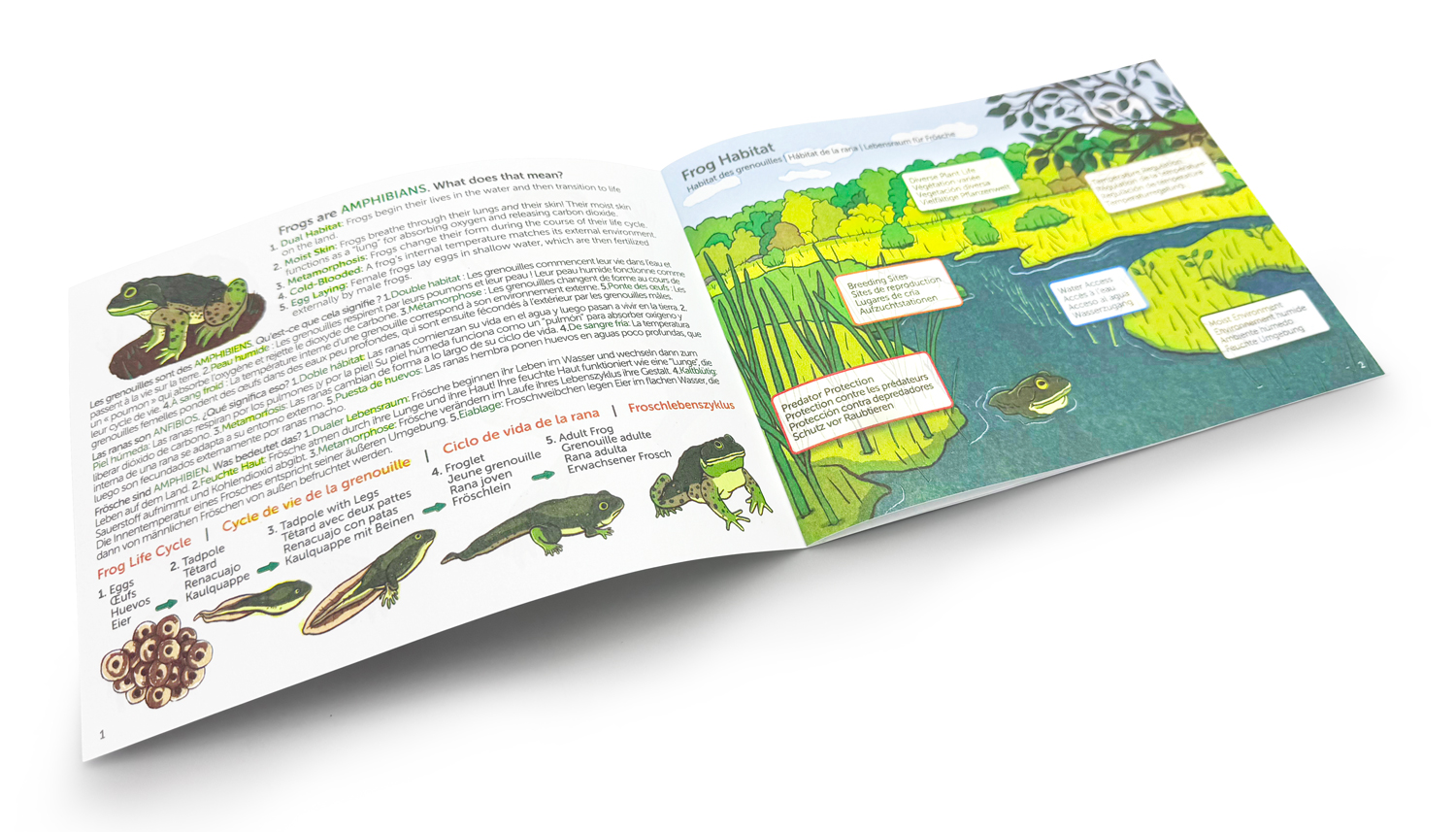
(Check out more facts like this in our guide shown on the left!)
The FrogXplore See-Through Anatomy Guide transforms frog anatomy from a discussion to an experience. One that is educational, mess-free, humane, ethical, and engaging!🐸