Fine Motor Activities for Preschool: Build Skills Through Hands-On Play
Have you ever watched a four year old thread a lacing needle for the first time? The tip of their tongue appears, their whole body leans in, that moment of focus, that is fine motor development happening in real time. In classrooms, daycares, and at the kitchen table, teachers and parents know that screens can't replicate that. Children need to grip, pinch, press, twist, and thread their way to stronger hands and sharper minds.
Fine motor activities for preschoolers do more than just build hand strength. They lay the groundwork for writing, buttoning, cutting, and a lifetime of hands-on learning.
Why Fine Motor Skills Matter More Than Ever
Pediatric occupational therapists have flagged a trend: today's children are arriving at kindergarten with weaker grip strength and less hand control than previous generations. More screen time and less unstructured play are likely factors. For teachers, this shows up fast. A child who hasn't practiced pinching, tearing, or threading finds pencil grip uncomfortable. Scissors feel awkward. Frustration builds before the lesson even starts.
The good news? Fine motor skills are highly responsive to practice. Short, regular activities make a measurable difference. The key is giving kids tools that are genuinely engaging, not just functional.
Fine Motor Activities for Preschool: Classroom-Ready Ideas
Each activity below works for whole-class instruction, small-group centers, or independent exploration. Most are accessible to every learner in the room, regardless of ability level.
1. Rubbing Plates: Texture Meets Technique
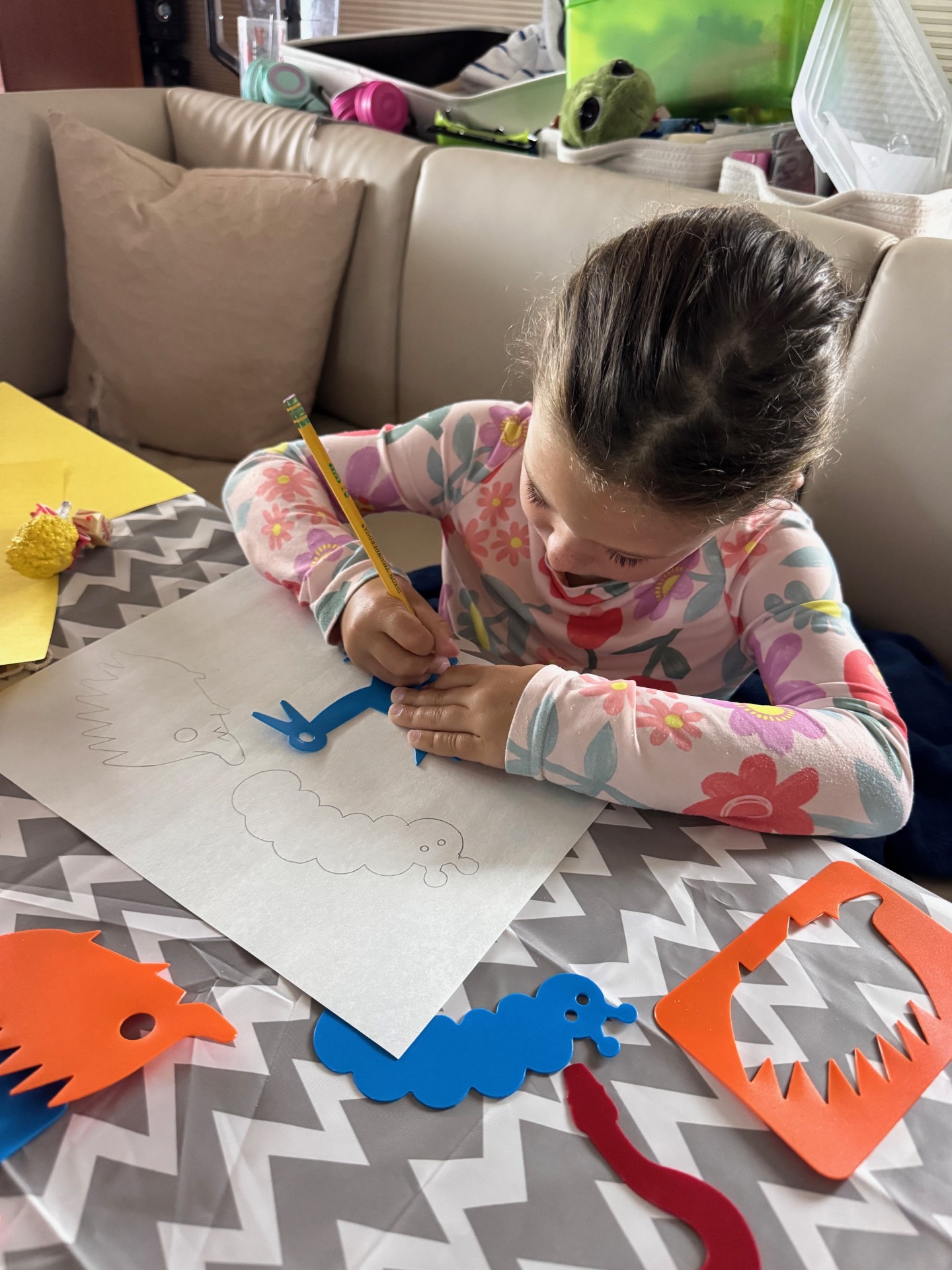
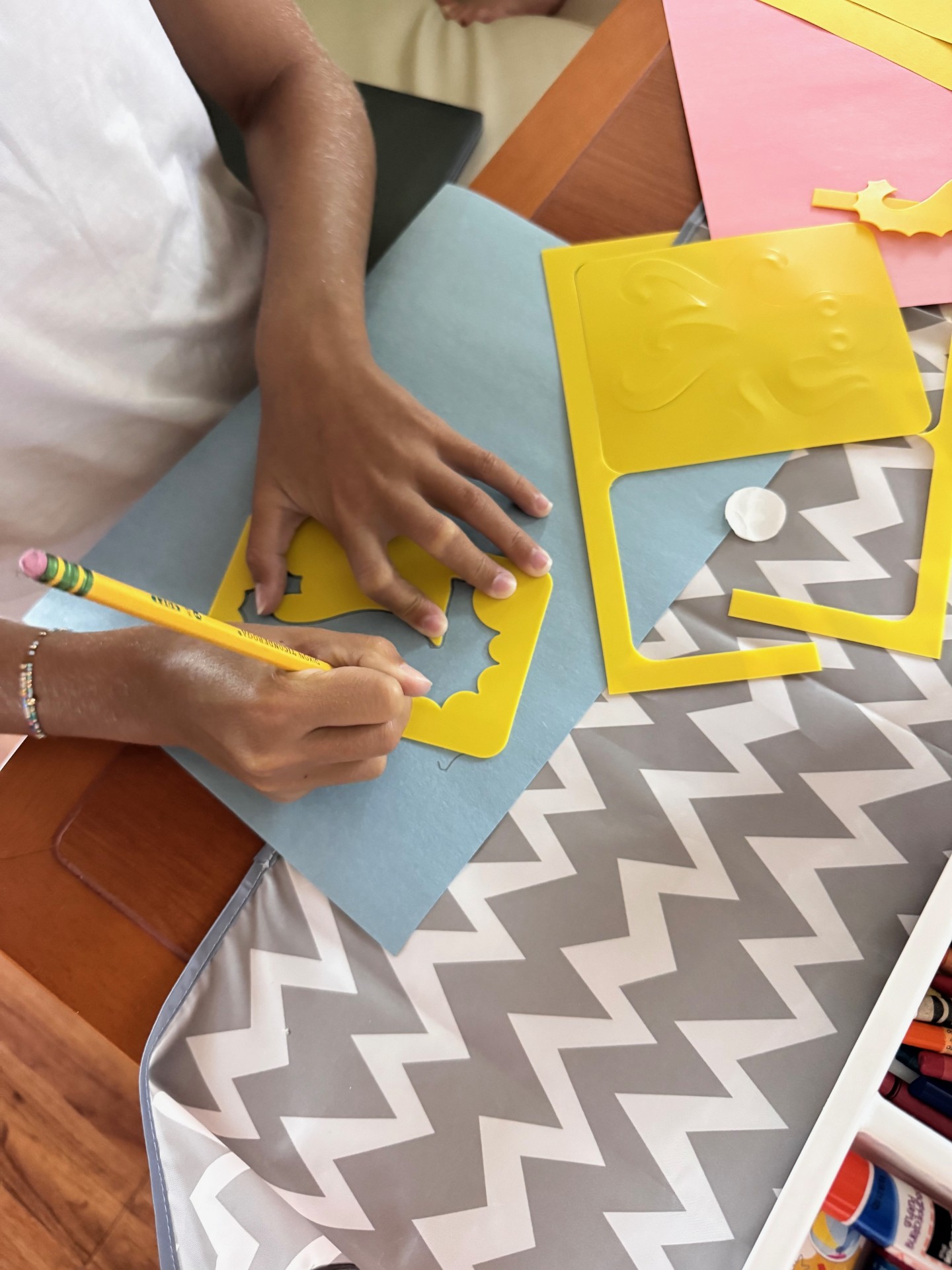
Place a piece of paper over a rubbing plate and rub a crayon across the surface. Simple? Yes! But watch what happens to a child's hand. They adjust pressure, switch direction, and notice what works. That constant micro-adjustment builds exactly the kind of hand control that later transfers to writing.
Roylco's Junior Rubbing Plates feature six animal designs with geometric textures sized for little hands. Students can color in their rubbings with markers, press modeling clay into the reverse side for 3D sculptures, or fill them with white glue and food coloring to create sun catchers. One tool, many skills, zero waste.
(Try this! - Pair rubbing plate work with a science lesson about animals or habitats. Students build fine motor control while connecting to curriculum content.)
2. Straws and Connectors: Building That Demands Precision
Snapping connectors into flexible straws requires a pincer grip, bilateral hand coordination, and sustained focus. Three cornerstones of fine motor development. Children are so absorbed in building towers and bridges that the skill building feels completely invisible!
The Roylco Straws and Connectors Set includes 230 pieces, making it ideal for group work or a classroom center station. Younger children explore simple shapes. Older students can tackle symmetry, stability, and early engineering challenges.
(Try this! - Challenge pairs of students to build a structure that can hold a specific number of counting cubes. They'll problem-solve, adjust, and without realizing it practice fine motor skills the entire time.)
3. Dry Erase Ride Along Numbers: Practice That Goes the Distance
For preschoolers and Kindergarteners who feel anxious about "getting it wrong," dry erase surfaces are a gift. Students press, write, erase, and try again without any paper trail. That freedom loosens the grip - literally and figuratively.
The Roylco Dry Erase Ride Along Numbers feature bold numerals paired with road-inspired graphics, giving young learners a fun, motion-based way to practice number formation. Students "drive" the printed cars along the shape of each number, building hand-eye coordination and fine motor control, all while developing muscle memory that early writing requires. The set includes 10 write and wipe laminated cards for repeated, mess-free practice.
(Try this! - Before students drive the car along the number, have them trace the number's path with their index finger first. Then, they pick up a dry erase marker and try again.)
4. Coding Gems: Screen-Free Dexterity with a STEM Twist
Sorting, placing, and arranging small manipulatives is one of the most effect ways to develop a precise pincer grip. When those manipulatives are also teaching early coding concepts, you've turned on activity into two learning outcomes.
With Roylco's Coding Gems, students arrange colorful gems to create sequences and algorithms completely screen-free. The tactile process of picking up, placing, and reordering each gem strengthens fine motor control while building logic, focus, and early computational thinking.
(Try this! - For younger students, start with simple two-gem patterns (red - blue, red - blue) before introducing sequences. The physical act of placing each gem reinforces both motor control and pattern recognition simultaneously.
5. Affirmation Flowers: Fine Motor Skills Meet Social-Emotional Learning
Cutting along petal shapes, coloring with intention, and writing words on small spaces. All of these actions strengthen hand control and fine motor development. When you pair that physical work with a social-emotional purpose, kids lean in even further.
Roylco's Affirmation Flowers are die-cut from sturdy, eco-friendly paper. Students color each petal with crayons, markers, or paint, then label them with positive affirmations. An extensive affirmation work list is available online in five languages - a thoughtful touch that makes this activity genuinely inclusive for multilingual classrooms and diverse family backgrounds. Finished flowers make beautiful wall displays that reinforce both self-expression and classroom community.
(Try this! - For pre-writers, try a partner activity, one child dictates an affirmation while the other writes it. Both children practice different but equally valuable skills, and every learner participates.)
Quick Tips for Building Fine Motor Skills Every Day
You don't need a dedicated "Fine Motor Lesson" to make progress. Small practices woven into the day add up:
-
-
- Offer tweezers or tongs at the snack table for picking up small items like cereal or raisins.
- Include playdough at a free choice station - kneading, rolling, and pinching are all motor-building actions.
- Let students tear paper for collage projects instead of always pre-cutting. Tearing builds grip strength.
- Introduce lacing cards at a center during independent work time. Start with large holes and sturdy laces.
- Swap a whole-class worksheet for a dry erase activity a few times per week, lower stakes = high engagement.
-
The goal isn't perfection. It's consistent exposure to tasks that ask hands to do something precise.
Free Teacher Resources from Roylco
Before you plan your next activity, check out Roylco's Lesson Plans Page. It includes activity guides, craft ideas, math and literacy references, and step-by-step project instructions. All free to download and use in your classroom, daycare, or homeschool setup. It's a practical library built specifically for educators, and it's worth bookmarking.
Every Pair of Hands is Learning
Fine motor development looks different for every child. Some kids will take to threading immediately. Others will need more time with rubbing plates or building sets before the grip feels natural. That's exactly why offering a range of activities matters - different tools reach different learners.
Roylco has been building classroom-ready products alongside educators for decades, with a focus on quality materials that hold up to real use. Many products are made in the USA and designed to work for every learner in the room. Regardless of your ability, background, or learning style.
FAQ Section
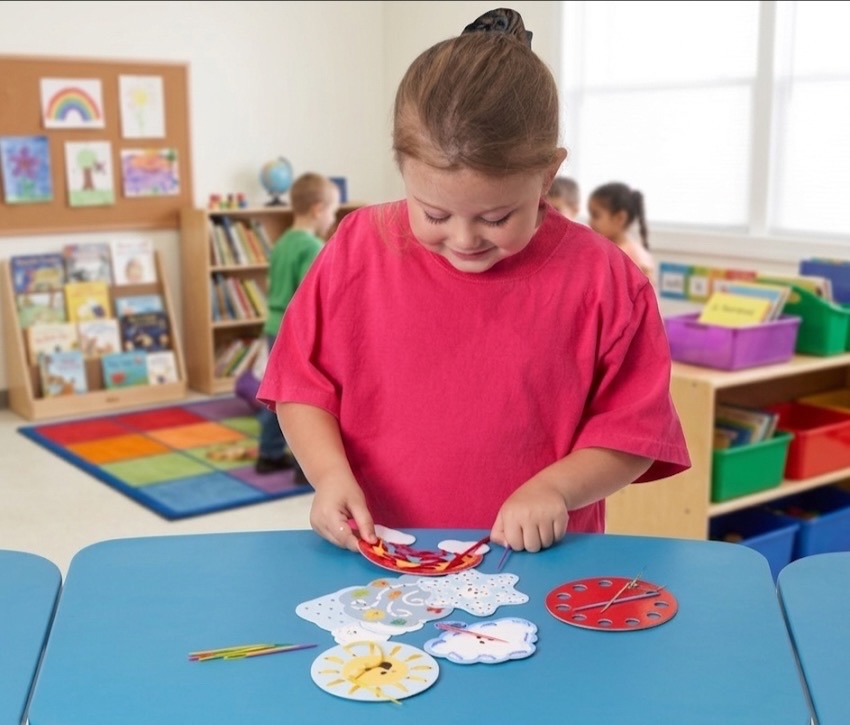
- Can fine motor activities also support other areas of development beyond handwriting? When children trace numerals on Ride Along Numbers, write on Affirmation Flowers, or rub crayons across Junior Rubbing Plates, they're simultaneously building math skills, emotional vocabulary, and pencil control. Fine Motor development and meaningful learning go hand in hand.
- Why are educators and parents noticing a decline in fine motor skills among young children today? More screen time and fewer hands-on experiences mean many children are arriving at school without the grip strength and coordination they need. Tools like Straws and Connectors and Coding Gems bring that tactile, purposeful practice back in a way screens simply can't.
- How can teachers fit fine motor skill-building into an already packed school day? It doesn't require a separate block of time. Coding Gems fit into STEAM, Ride Along Letters slide into math warm-ups, and Junior Rubbing Plates work perfectly as an art center rotation. When the right tools are in the room, fine motor development happens as a natural byproduct of learning that's already taking place.