Where Creativity Meets Connection: How Art Supports Social-Emotional Learning in Classrooms
When we think about art education, creativity, and imagination often come to mind. But the benefits of art extend far beyond the finished project. Through creative experiences, children have the opportunity to explore their ideas, work through challenges, and connect with the people around them.
Arts education offers more than just an opportunity for children to explore their creativity; it also provides a space for meaningful growth. As children experiment with new materials, express their ideas through artwork, and collaborate on group projects, they are simultaneously developing important social-emotional learning (SEL) skills.
How Art Encourages Self-Expression and Self-Awareness
One of the most valuable aspects of art is that there is rarely just one "right" way to create. Each child is able to bring their own ideas, interests, and experiences into every activity. Which in return, allows them to make choices that reflect their individual perspective.
This creative freedom gives children opportunities to express themselves in different ways. A drawing, painting, collage, or other hands-on projects can provide a starting point for children to share their thoughts, describe their feelings, and reflect on what matters most to them.
By allowing children the freedom to experiment and make creative choices, educators and caregivers can create an environment where self-expression and self-awareness have room to grow.
Here's the Magic: Bringing SEL into Everyday Art Activities
The best part? Integrating social-emotional learning into art education doesn't require an entirely separate lesson. Educators can encourage children to reflect on their experiences by asking simple questions about the choices they made, how they responded to a challenge, or what they learned along the way.
When an activity doesn't turn out as expected, children are given the opportunity to practice problem-solving and flexibility. When they are tasked to work alongside classmates, they practice sharing materials, listening to different ideas, and collaborating towards a shared goal. These small moments help children recognize that the process of creating is just as valuable as the final result. With encouragement and reflection, everyday art activities can become opportunities to practice skills that will carry into other areas of life.

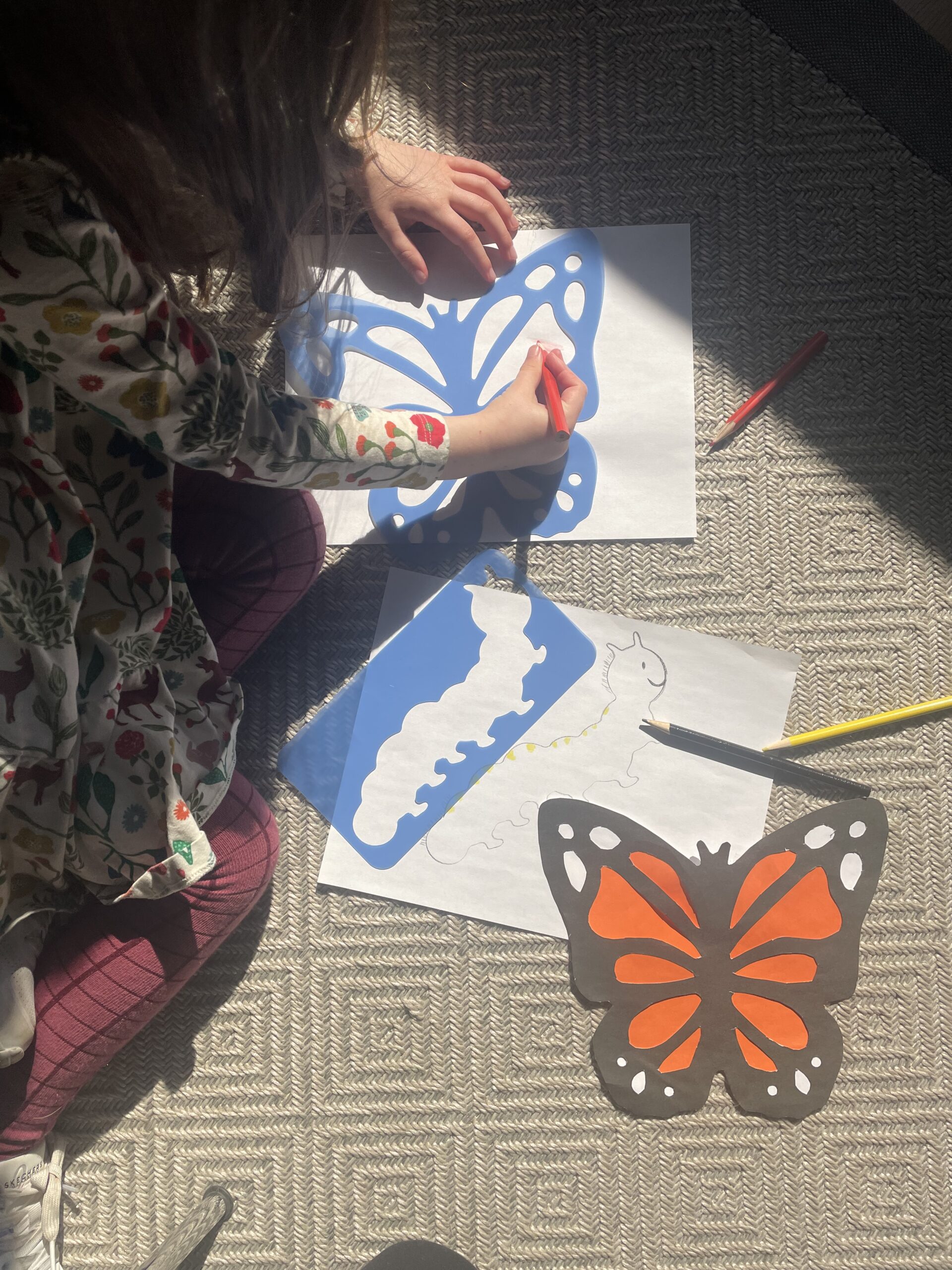
Looking Beyond the Finished Project
Arts education is about so much more than what the child creates. It is the experiences that happen along the way, the decisions they make, the challenges they have to work through, and the connections they build with their peers.
At Roylco, we believe hands-on learning is built through doing. Through art materials, sensory activities, and other hands on resources, we create the stepping stones for children to explore their creativity while actively practicing valuable life skills.
When we make a space for children to experiment, express themselves, and learn alongside others, we create opportunities for both creative and social-emotional growth. Because sometimes, the most important part of an art project isn't what a child takes home - it's what they discover about themselves along the way.
FAQ's

Art gives children opportunities to express themselves, make decisions, work through challenges, and communicate with others. These experiences can help children practice self-awareness, problem-solving, collaboration, and other social-emotional skills.
