There’s something incredibly satisfying about watching texture appear like magic beneath your fingertips. Rubbing Plates are one of those tried-and-true art techniques that deliver big creative impact with minimal prep—and they’ve been a classroom favorite for good reason.
At Roylco, we’ve spent decades designing high-quality Rubbing Plates that spark imagination and hands-on discovery. Whether you’re using them to explore natural textures, introduce geometric patterns, or add flair to finished artwork, Rubbing Plates offer an easy entry point into process art, sensory learning, and design exploration.
What are rubbing plates?
Rubbing Plates are durable, die-cut plastic sheets with raised textures that transfer beautifully to paper. Just place a piece of paper over the plate and rub the side of a crayon across the top. The raised ridges underneath catch the pigment, revealing the design in seconds.
It’s quick, tactile, and surprisingly versatile. Use it as a standalone project or as a design layer on top of—or underneath—other creative work.
The Science Behind Rubbing Plates: Texture & Relief
Rubbing Plates work by using a method called relief transfer. The raised ridges on the plate block the crayon from hitting the flat surface beneath. As you rub, color collects only where there's contact—revealing the pattern.
It’s a tactile way to explore:
- Capillary resistance and texture transfer
- The difference between raised and recessed surfaces
- Cause and effect: "What happens if I change pressure, color, or paper?"
This approach is ideal for STEAM learning, especially when paired with vocabulary or science content.
Bonus: Have students classify plates into “natural vs. manmade textures” or explore how patterns are used in architecture, nature, and textiles.
Pro Tips + Do’s & Don’ts for Rubbing Plate Success
Here are a few expert-level insights to take your Rubbing Plate experience to the next level:
- Use peeled crayons or pastels on their sides for smooth, even coverage.
- Secure your paper with masking tape or a clip to keep things from shifting mid-rub.
- Try layering colors—start light, then add darker shades for depth.
- Use your rubbings to create collages, greeting cards, or journal covers.
- Introduce descriptive terms like “raised,” “texture,” and “pattern” during the activity.
- Use Rubbing Plates to create subtle textured backgrounds behind painted or drawn artwork—it adds instant depth and interest.
✅ Do:
- Use thin white paper for best results
- Try high-contrast combos (like black crayon on bright paper)
- Mix and match multiple textures on one page
- Let kids explore by touch—great for sensory development
❌ Don’t:
- Rub with the crayon tip—it leads to uneven texture
- Use too much pressure or paper may tear
- Overlap too many patterns—they may become hard to distinguish
- Skip securing your paper—movement causes smudges
- Think it’s just for art – try it in science, SEL, or ELA lessons too!
4 Creative Rubbing Plate Sets to Explore
-
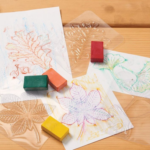
Leaf Rubbing Plate -
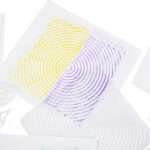
Optical Illusion Rubbing Plate -
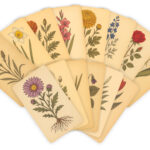
Botanical Rubbing Cards -
Junior Bug Rubbing Plates

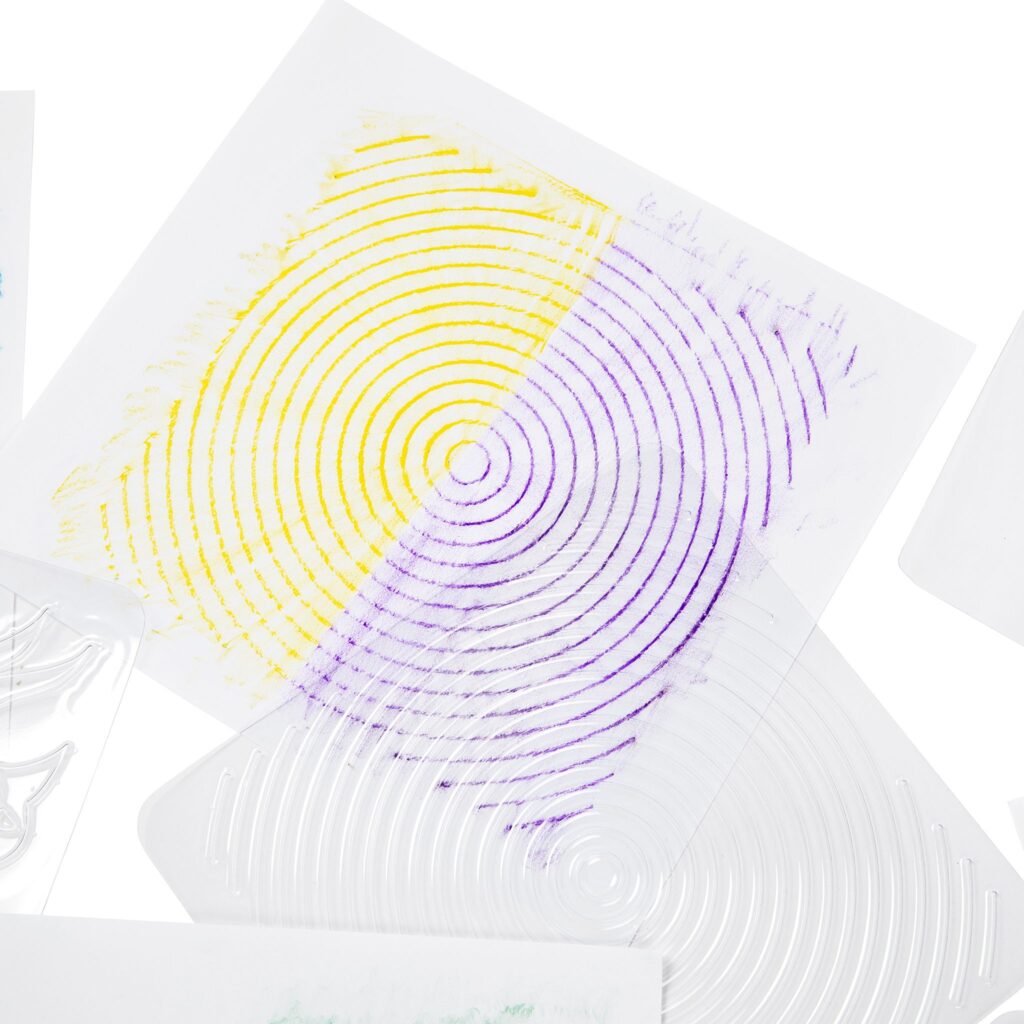
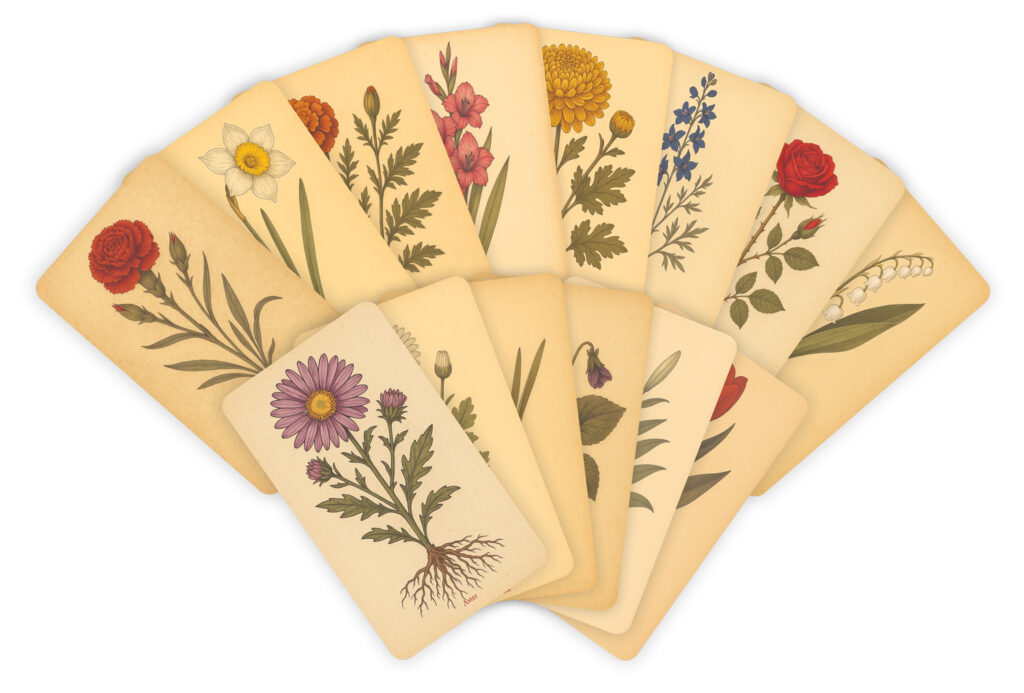
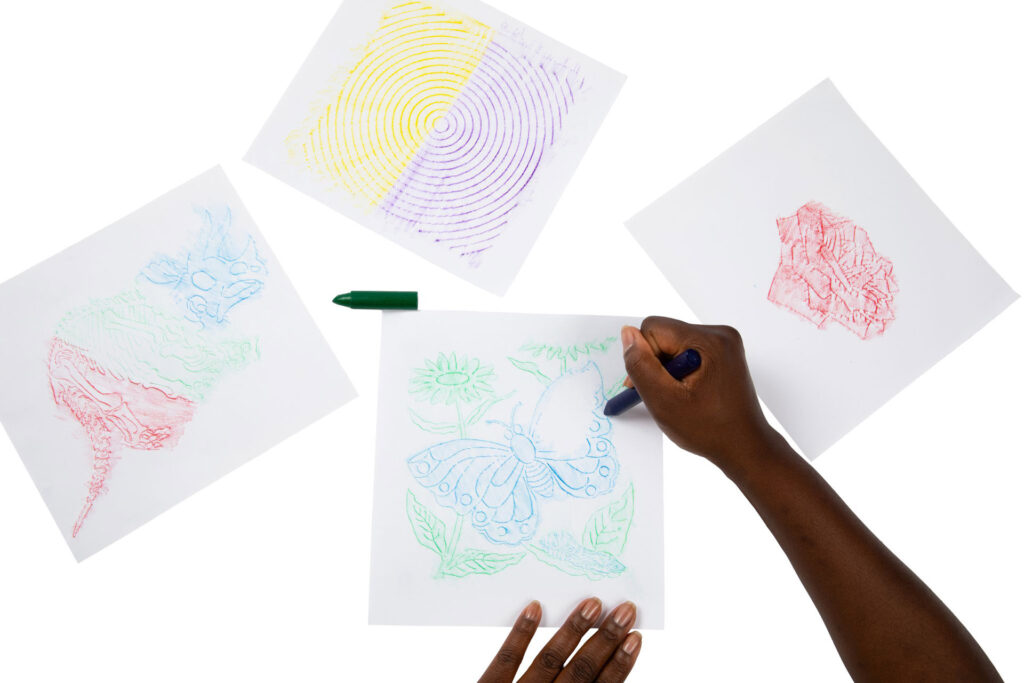
Not sure which rubbing plate to pick? Check out our Rubbing Plates Differences blog HERE!
Beyond the Art: Displaying and Extending Rubbing Plate Projects
Don’t let your rubbings stop at the page. Here’s how to expand on your designs and display them in creative, cross-curricular ways:
- Cut and collage rubbings into layered artwork
- Add textures and designs to air-dry clay or modeling clay
- Frame or mount leaf or flower rubbings for seasonal décor
- Use textured paper as backgrounds for portraits, poems, or science diagrams
- Create window art by making window clings with rubbing plates (Mix the white glue (3 Tbsp, dish soap, 3 or 4 drops, and food coloring, 8 drops in bowl, then spread onto the rubbing plate with paint brush. Let it dry completely, then peel and stick to your window.)
- Pair optical illusions with math vocabulary for a pattern bulletin board
- Have students write reflections about the textures they explored
ELA Tip: Encourage students to write a descriptive paragraph about their artwork using all five senses—or tie it to a poem or story.


@helloartteacher (via Instagram) shared this fun
Texture Monster art project using our Optical Illusion Rubbing Plates!
Final Thoughts
There’s a reason Rubbing Plates have stood the test of time—they’re accessible, engaging, and full of creative potential. Whether you're teaching about texture, designing a layered art piece, or integrating STEAM into your lesson, this classic technique invites exploration and expression.
Simple to set up. Fun to use. And endlessly adaptable. That’s the magic of Rubbing Plates.
FAQs
Rubbing plates are textured plastic plates with raised designs. Place a sheet of paper on top, hold a crayon or colored pencil on its side, and rub across the surface — the pattern beneath transfers onto the page as a detailed, textured image. It's simple enough for preschoolers and engaging enough for older students exploring pattern and design.
